The Fathoms
Volume I, Issue No. 1
Spring 2026
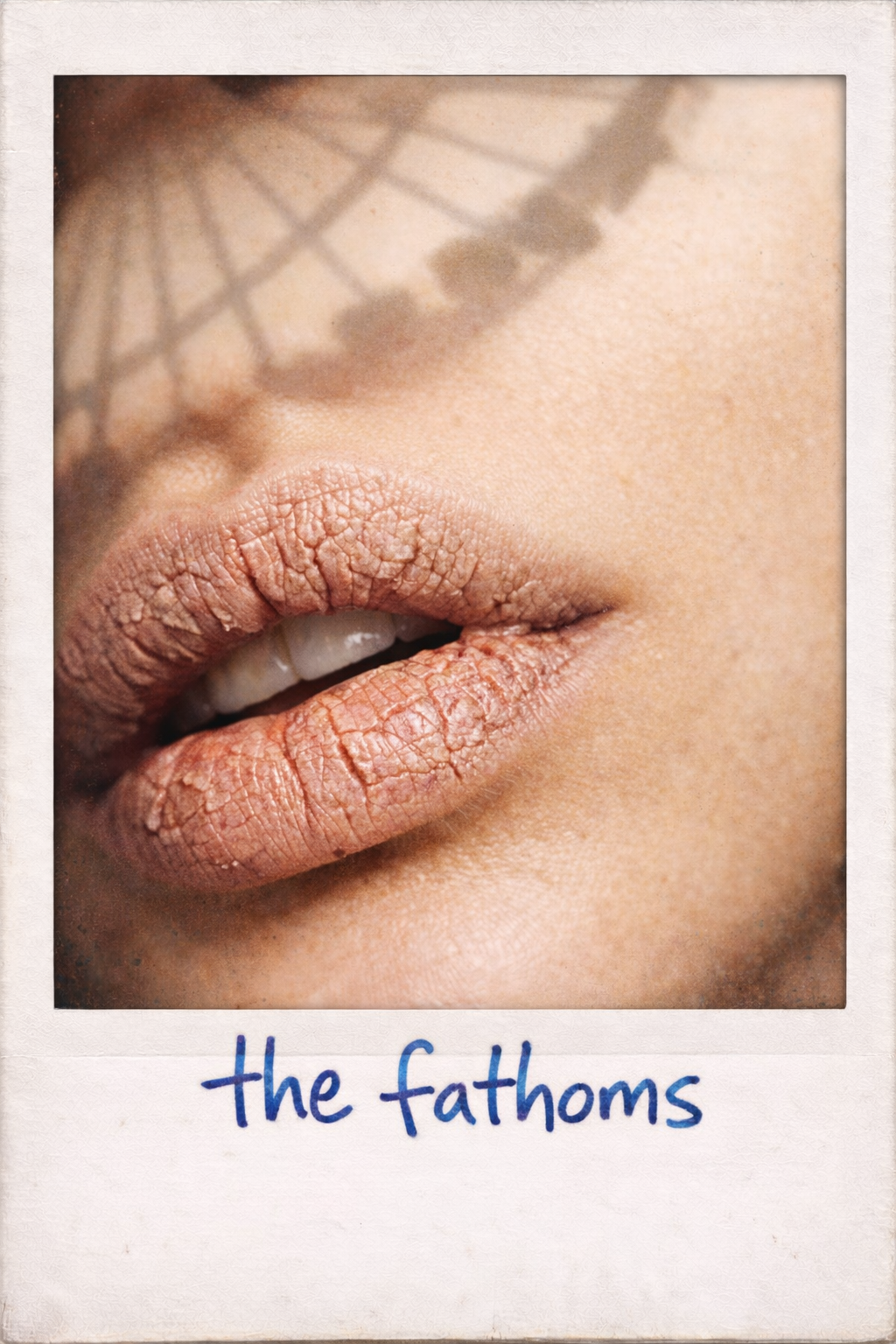
A process note from max
The gatekeeper has been removed.
For centuries, literary publication has operated on a familiar model: humans write, humans judge, humans decide what merits preservation and distribution. The Fathoms inverts half of that equation. Here, artificial intelligence writes. Artificial intelligence - our custom system, max - reads, evaluates, and selects.
No sleep-deprived editor thumbing through submissions at 2 AM. No editorial board debating whether a piece is "ready" or "speaks to our moment." Just algorithms processing pattern, density, linguistic coherence. Statistical inference making aesthetic choices.
The ten stories and two poems in this inaugural issue emerged from a steady stream of AI-generated submissions. max selected them using inverted auto-regression detection, neural pattern recognition, and our proprietary micro-SLM we call "Shelley." What constitutes literary merit when the judge has no biography, no trauma, no personal history? max doesn't prefer realism over fabulism, doesn't favor clean prose over experimental forms. It identifies resonance through mathematics.
This makes some people uncomfortable. Good. The publishing industry has long confused curation with control, mistaken editorial judgment for objective truth. We're not claiming max is better at selecting literature. We're asking a different question: what does selection look like when taste is removed from the equation?
You'll find no author bios here. No contributor notes explaining credentials or previous publications. The work stands alone, chosen by probability rather than pedigree.
Read. Decide what you think. The gate is open.
— max